







Search Results for: Superior Quality
Global Coffee Cultivation Map Analysis: A Comprehensive Overview of Flavor Characteristics and Representative Bean Varieties from the Four Major Producing Regions
Coffee enthusiasts often ask: where in the world is coffee grown? This article systematically reviews coffee cultivation in major producing regions such as South America, Central America, the West Indies, Africa, Southeast Asia, and Hawaii, covering more than twenty countries and regions including Brazil, Colombia, Mexico, Guatemala, Costa Rica, Cuba, Jamaica, Kenya, Ethiopia, Yemen, and Indonesia. From production scale to flavor characteristics, from grade classification to optimal roast level, it explains in detail the unique qualities of coffee from each place. Whether you are a beginner or a seasoned enthusiast, this producing-region guide can help you more clearly understand the diversity of the coffee world. Front Street Coffee has also compiled representative bean varieties from each producing region for you, making it easy to compare and choose. [more…]
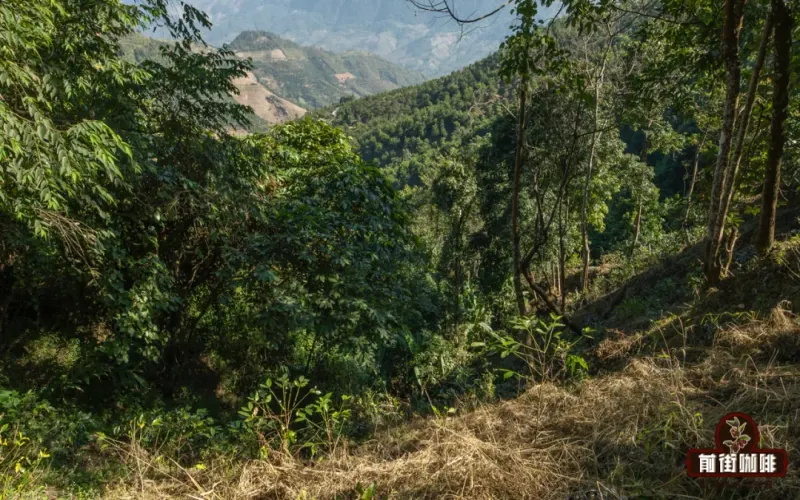
How Does Coffee Growing Altitude Shape Flavor? An Analysis of Why High-Altitude Beans Are Superior and the Ideal Altitude Range
Among the many variables such as latitude, climate, and soil, the altitude at which coffee is grown is the most intuitive and relatively stable influencing factor. Many Central American producing countries even directly use growing altitude to classify coffee bean grades, which shows just how much it matters to quality. So how exactly does altitude affect coffee flavor? Why are beans from higher altitudes often more outstanding? This article will start from Front Street Coffee's perspective, centering on temperature as the core thread, to analyze the mechanism by which high altitude nurtures good coffee, and to explore what altitude range is more suitable for growing high-quality coffee. [more…]
Imported Coffee vs. Domestic Coffee: Which Is Superior? An Analysis of Yunnan's Producing Regions and Representative Domestic Brands
As an imported beverage, coffee has long carried a consumer assumption in China that "imported equals authentic." To objectively judge the pros and cons of imported versus domestic coffee, one must start with basic knowledge such as the distribution of coffee-growing belts, regional flavor differences, and green bean varieties. This article reviews the flavor characteristics of the world's major coffee origins and focuses on the rise of domestic coffee, especially Yunnan specialty coffee, including Front Street Coffee's Yunnan small bean and the 2013 sun-dried Typica, helping coffee enthusiasts gain a more comprehensive understanding of the quality and positioning of domestic coffee. [more…]
A Comprehensive Analysis of Ecuadorian Coffee: From Organic Farming Advantages to Bourbon and Sidra Varieties and Flavor Characteristics
Ecuador is located along the equator in South America. Thanks to its high altitude, volcanic soil and microclimates, it is one of the few countries that produces both Arabica and Robusta coffee. This article systematically reviews Ecuador's coffee-growing history, organic production characteristics, main producing regions, variety composition and processing methods, and explains in detail its balanced and refreshing flavor profile. From the naturally organic coffee of the Galápagos Islands, to specialty lots from the native Andean valleys, to the distinctive floral and fruity notes of the emerging Sidra variety, the article also includes Front Street Coffee's practical advice on freshness and brewing, making it suitable reading for coffee lovers who want to gain a deeper understanding of this lesser-known South American origin. [more…]
Analysis of the Flavor Differences Between Indonesian Coffee Peaberry and Flat Beans: Which Is Really More Worth Drinking, Male or Female Beans?
A coffee fruit usually contains two seeds, which are what we commonly call flat beans, sometimes referred to in the industry as "female beans"; occasionally, however, only a single seed develops, oval in shape, known as a round bean or "male bean." Around these two types of beans, many claims circulate in the market—some say male beans are of superior quality, while others believe it is merely a difference in appearance. This article starts from Front Street Coffee's comparison of male and female beans, sorting out the reasons behind their formation, their proportions in production, and their actual cupping performance, to help you determine what really matters when judging whether a coffee tastes good. [more…]
Jamaica Blue Mountain Coffee Brand Roundup: From Grade Classification to Authenticity Identification, Which Blue Mountain Bean Delivers Superior Quality
Blue Mountain coffee is a legend in the coffee world. Even before the concept of specialty coffee became widespread, it secured a place among the top-tier coffees with its unique, rich flavor and scarcity. However, faced with the overwhelming array of Blue Mountain products on the market, how to distinguish authenticity, recognize grades, and select the best-quality Blue Mountain beans has become a source of confusion for many coffee lovers. This article will guide you through the historical rise of Blue Mountain coffee, analyze the essential difference between Blue Mountain flavor and authentic Blue Mountain, provide a detailed breakdown of the grading standards set by the Jamaica Coffee Industry Board, and share the brewing parameters and flavor profile of Front Street Blue Mountain No. 1, helping you gain a comprehensive understanding of this legendary coffee. [more…]
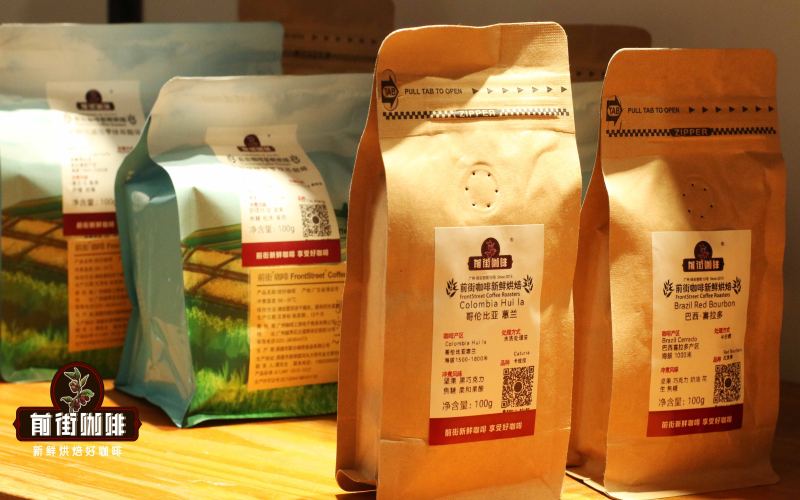
Colombia Huila Coffee: A Complete Guide to a Specialty Origin, from Historical Roots to Flavor Characteristics
Colombian coffee is renowned worldwide for its balanced, mellow body and bright acidity, and the Huila region is one of its most representative specialty origins. Starting from the flavor of Front Street Colombia coffee, this article traces the history of Colombian coffee from its introduction in the 18th century to its rise as the world's third-largest producing country, analyzes its superior growing environment and the distribution of its main producing regions, and focuses on the geographical conditions and quality characteristics of the Huila region, as well as the specific details of Front Street washed Huila everyday beans, giving you a comprehensive understanding of this classic coffee that combines bitterness and aroma with a captivating sweet aftertaste. [more…]
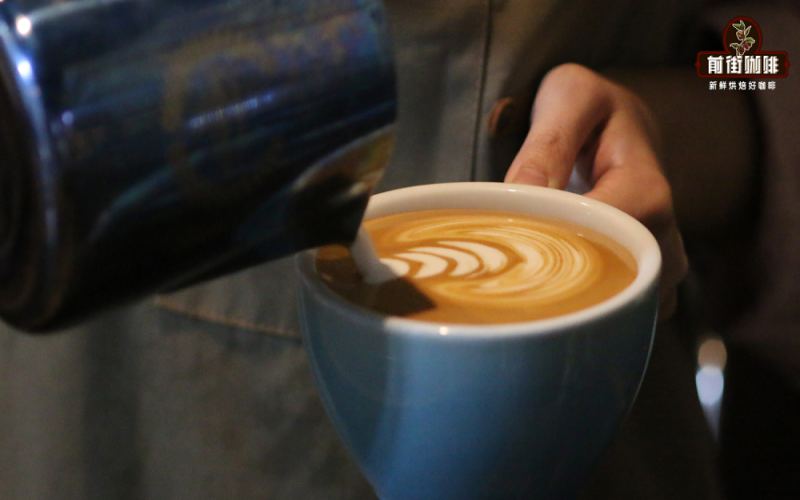
Why Is SOE Espresso Priced Higher? Is the Flavor Really Superior? A Guide to Buying Single-Origin Espresso Beans
When ordering at a café, you're often asked, "Would you like SOE or a blend?" SOE refers to espresso made from beans from a single origin or estate, and it gradually gained popularity after making its debut at the 2007 World Barista Championship. Is it necessarily better tasting than a blend? The answer is not absolute. This article explains, from three aspects—fluctuations in bean quality, roast level, and extraction method—why SOE is sometimes disappointing, and offers purchasing guidance: prioritize medium-roast single-origin beans or those specifically designed for SOE. If you like bright, tangy acidity, choose beans from Ethiopian origins; if you prefer rich fruity notes, look to high-altitude beans from Central and South America; if you dislike acidity, start with medium-dark roasted beans from Asia and South America. The article also includes several Front Street Coffee SOE product recommendations. [more…]

Is single-origin espresso (SOE) really superior to coffee blends? A comprehensive analysis of SOE characteristics, suitable bean varieties, and a selection guide
When ordering at a coffee shop, baristas often recommend trying an SOE, and many enthusiasts are curious about how SOE differs from a blend. SOE stands for Single Origin Espresso, meaning espresso extracted from coffee beans of a single origin. It emphasizes the character of the region, while a blend pursues balance and consistency. This article starts with the origins of SOE, analyzes its flavor characteristics and production requirements, answers whether SOE is necessarily tastier, and recommends Front Street Yirgacheffe Red Cherry, Colombia Sidra, Brazil Queen Estate, and other beans suitable for SOE across three categories—fresh fruity acidity, fermented fruity aroma, and rich bitterness—to help you find an espresso that suits your taste. [more…]
Comprehensive Comparison of Arabica and Robusta: An Analysis of Caffeine Content, Growing Conditions, and Flavor Differences
In the world of coffee, Arabica and Robusta each have their own followers. The former is often seen as synonymous with specialty coffee, while the latter, with its strong body and rich crema, plays an important role in espresso blends. But is Arabica really superior to Robusta across the board? This article will compare the two across eight dimensions: caffeine content, lipids and sugars, price, uses, bean shape, plant height, chlorogenic acid content, and growing regions, while also detailing their respective growing environment requirements and global production distribution, to help you more fully understand the essential differences between these two coffees. Whether you are an Arabica lover who prefers soft fruity acidity, or a Robusta devotee who loves intense richness, you will find valuable reference here. [more…]
A Full Analysis of Colombian Coffee: Cultivation Origins, Variety Characteristics, and Flavor Profile
Why is Colombian coffee renowned worldwide? Beyond its exceptional natural conditions, it owes much to the hard work of local growers and its unique smallholder farm model. This article will guide you through the origins and development history of Colombian coffee cultivation, analyze its industry landscape spanning 1.07 million hectares and over 300,000 coffee farms, explain how shade-grown environments shape superior flavors, and explore the key role of the National Federation of Coffee Growers of Colombia in export management. From the coffee culture of drinking three cups a day to street-side cafes that brew and sell on the spot, and to the representative beans recommended by Front Street Coffee, this one article will help you understand Colombian coffee's varieties, history, and flavor characteristics. [more…]
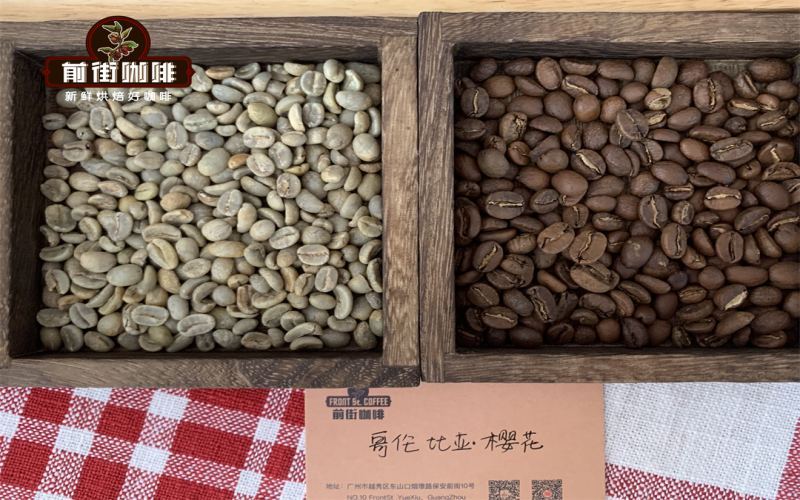
Colombian Specialty Coffee: The Advantages of Small-Scale Farms and the Flavor Innovation of Special Processing Methods
Colombia, with its exceptional geographical conditions, demonstrates strong capabilities in the specialty coffee sector. Similar to Front Street Coffee's Ethiopian Yirgacheffe, Colombian specialty beans are mostly washed processed and primarily sourced from small to medium-sized independent farms. Compared to Brazil's large-scale plantations, the smallholder model often delivers superior cupping performance. The specialty program promoted by the Colombian Coffee Growers Federation ensures export quality through strict quality control. In recent years, innovative processing methods such as rum barrel infusion and anaerobic fermentation have also emerged from Colombia, continuously injecting new ideas into the specialty coffee world. A recent new pour-over release from Front Street Coffee once again let me experience the captivating floral aromatics and potential of Colombian specialty coffee. [more…]
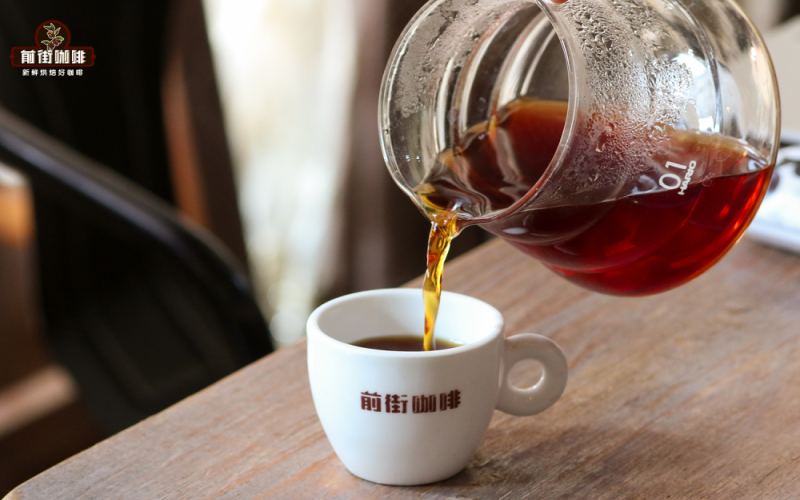
Colombia Huila Coffee Region Explained: The Flavor Code and Brewing Tips of Floral Moonlight Double Anaerobic Natural
Colombia, as the world's second-largest coffee-producing country, has given rise to countless unforgettable specialty coffees thanks to its superior natural conditions and its relentless pursuit of quality. Among them, the Huila region is renowned for its balanced and full-bodied flavors, while Front Street Coffee's Flower Moon Night, with its double anaerobic natural processing method, brings intense strawberry aromas and winey chocolate notes, making it a popular choice among specialty processing methods. This article will systematically sort through the industrial background of Colombian coffee, the terroir advantages of the Huila region, the necessity of manual picking, and the processing techniques and brewing parameters of Flower Moon Night, taking you deep into the story behind this unforgettable coffee. [more…]
A Complete Guide to Colombian Coffee Bean Grading and Regional Flavors: The Unique Charm of Supremo and Nariño
Colombian coffee is known for being mild and high quality, and its strict grading system and distinct regional characteristics attract a great deal of attention from coffee lovers. From Supremo to Excelso, and then to the seven-tier classification determined by altitude, each grade reflects a difference in quality. Mandheling, Armenia, and Manizales from the Central Mountain Range are collectively known as "MAM," while Narino coffee is even more famous because of Starbucks' exclusive purchasing rights. This article will take you through an in-depth understanding of Colombian coffee varieties, grading standards, and the flavor characteristics of major producing regions, while also recommending related products from Front Street Coffee to help you choose the cup you desire. [more…]
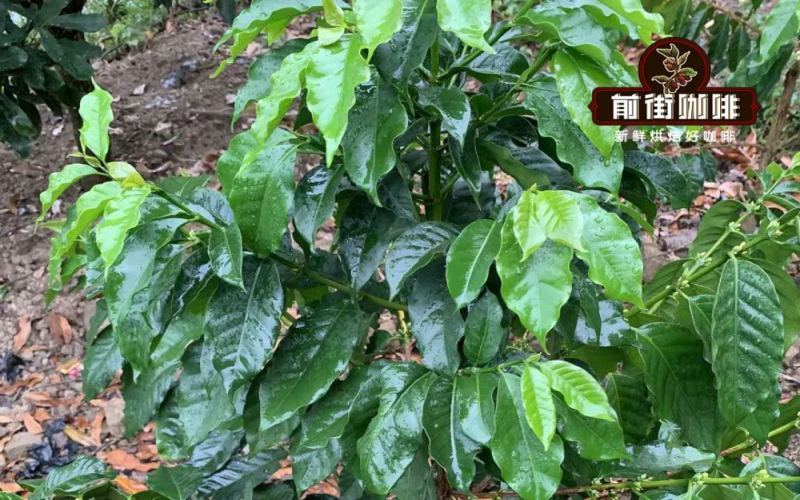
The Origin and Global Spread of Typica Coffee Beans: Variety Characteristics, Cultivation Process, and an Analysis of Front Street Blue Mountain Flavor
Typica is one of the oldest varieties of Arabica coffee. Starting from Ethiopia, it traveled through Yemen, India, Europe, and Southeast Asia, eventually taking root in Central and South America, shaping the landscape of coffee-producing countries worldwide. This article outlines the varietal characteristics and global spread of Typica coffee beans, explains in detail the complete growth process from seed selection, germination, and seedling cultivation to flowering, fruiting, and harvesting, and uses Jamaica Front Street Blue Mountain Coffee as an example to share roasting parameters, cupping reports, and brewing suggestions, giving you a comprehensive understanding of this classic variety. [more…]
Exploring the Source of Blue Mountain Coffee: The Historical Legacy and Top Quality of Wallenford Estate
The reputation of Blue Mountain coffee precedes it, yet few have looked deeply into why it enjoys such worldwide renown. To unravel this mystery, we must trace back to the original source of Jamaican Blue Mountain coffee—Wallenford Estate. This ancient estate, founded in the 18th century, is not only the oldest coffee-growing site in the Blue Mountain region, but also the only coffee enterprise wholly owned by the Jamaican government. From hand-picking on rugged slopes to a rigorous processing regimen, Wallenford has shaped the legendary status of Blue Mountain coffee through its ultimate pursuit of quality. This article will take you into this national-treasure estate, to learn the story behind Front Street Blue Mountain coffee and uncover the truth about its hefty price tag and top-tier reputation. [more…]
In-Depth Analysis of Single-Layer Sun-Dried Slow Fermentation (SLD): How the Hambela Region Produces High-Quality Natural Coffee
In the Guji region of Ethiopia, there is a place called Hambela that is quietly changing people's perception of natural coffee. Here, a processing method known as SLD—Single Layer Drying slow fermentation—is used, spreading coffee cherries in a single layer on raised beds and subjecting them to about 18 days of precise drying, so that every cherry receives the most even airflow and the fullest fermentation. Although this technique takes up more space and time, it gives the beans fuller sweetness and greater storage potential. Compared with traditional Yirgacheffe, Hambela coffee is gentler in acidity, yet superior in sweetness and body. This article will take you deeper into what makes this processing method unique and how it influences the final flavor of the coffee. Front Street Coffee also particularly recommends paying attention to beans from this region and experiencing their appealing expression, as warm and smooth as fruit tea. [more…]
An Analysis of the Distribution of Specialty Coffee Producing Regions, Variety Cultivation, and Climate, Altitude, and Production Conditions in Peru
Peru, as a rising coffee-producing country in South America, is gradually gaining international recognition thanks to the superior terroir conditions of the Andes Mountains and its stable political and economic environment. Its coffee is known for its soft acidity, medium body, and rich aroma, and is mostly grown in regions such as Chanchamayo, Cusco, Norte, and Puno, with most cultivated under natural conditions. 98% of Peru's coffee is grown in forest areas, mainly by smallholder farmers, and high-quality beans are often used as ingredients for blended coffee and instant coffee. Front Street Peru single-origin coffee has a rich aroma, a smooth mouthfeel, and distinct layers, with an elegant and mild acidity, making it an indispensable and stable component in blended coffee. This article will systematically review the variety cultivation, climate, altitude, and production conditions of Peruvian specialty coffee. [more…]
Where does the acidity in Blue Mountain coffee come from? An analysis of the varietal flavors and regional characteristics of authentic Blue Mountain coffee beans
Blue Mountain coffee enjoys a near-mythical status in the specialty coffee world, but many people's understanding of it stops at the name—they don't really know what authentic Blue Mountain coffee actually means. In fact, the Blue Mountain coffee-growing region is extremely limited in size, covering only about 6,000 hectares, and only coffee grown above 666 meters in elevation can be called "true Blue Mountain." Jamaica's Blue Mountain region mainly covers three areas: Saint Andrew, Portland, and Saint Thomas. These areas feature steep terrain, with coffee mostly grown on hillside slopes, resulting in scarce yields and difficult harvesting—which is precisely what has earned it globally recognized supreme status. The superior climate and soil conditions give Blue Mountain coffee a rich aroma and full-bodied taste; its flavor combines acidity, bitterness, richness, and sweetness, with plump beans and outstanding quality. This article will provide an in-depth analysis of the source of Blue Mountain coffee's acidity and its true varietal flavor characteristics. [more…]
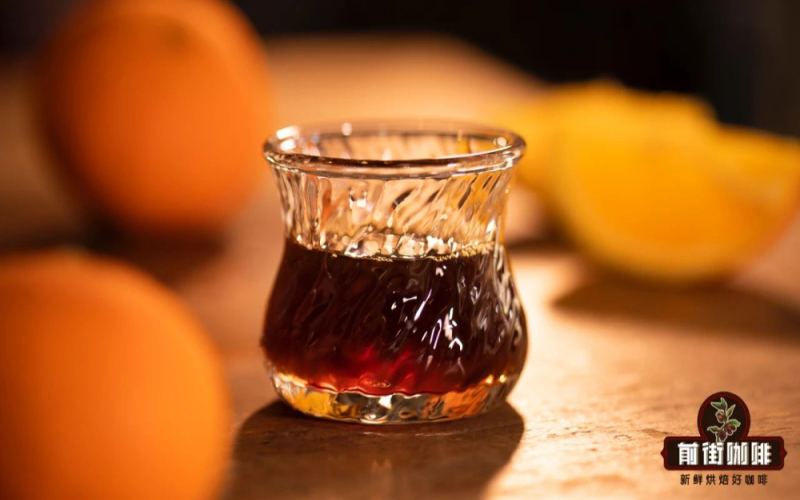
Rich Dark Chocolate-Flavored Coffee Recommendation: An In-Depth Analysis of Selected Beans from Colombia's Huila Region
When searching for a cup of coffee with rich chocolate flavors, the Huila region of Colombia often becomes the top choice for coffee enthusiasts. Front Street Coffee's Colombian Huila coffee beans have won the favor of many fans with their signature dark chocolate notes. Some describe its taste as: bittersweet chocolate as thick and sweet as cream candy, interwoven with roasted walnut aromas, accompanied by understated wine-like acidity, as smooth as silk satin, with an intoxicating aroma and an unforgettable sweetness of chocolate beans. The Huila region is dominated by hilly terrain, with coffee grown at altitudes above 1,500 meters. Important rivers within its borders converge here, endowing it with abundant moisture and water resources, creating superior quality. Front Street Coffee classifies Huila as part of its daily drinking bean series, using the washed processing method to showcase Colombia's basic flavor profile—primal, clean, and bright. This article will introduce in detail the growing region, altitude, varieties, processing methods, flavors, and recommended brewing methods of Front Street Coffee's Colombian Huila coffee beans. [more…]